Guest Interview with Linda Shenton Matchett
I am honored this month to have the opportunity to be a guest blogger on Linda Matchett’s blog site, and am re-posting it here. I want to introduce you to Linda. She writes mostly…
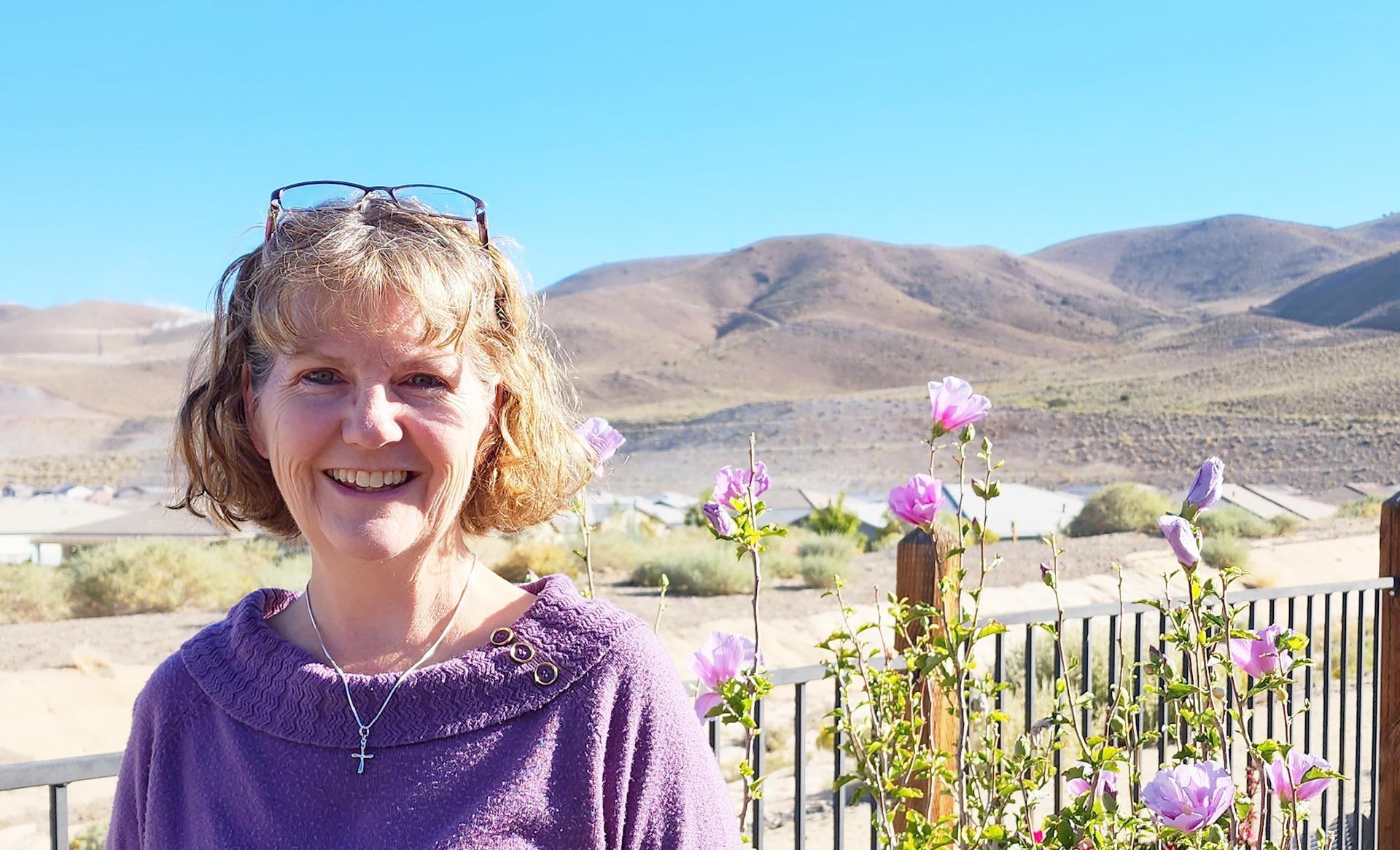
I’m Nikki Hertzler. I teach elementary school in northern Nevada, my husband and I are foster parents, and I compiled Help! I’m a Foster Parent, a prayer devotional written by foster families for foster families. I write and speak to encourage those families and the churches who walk alongside them.

Compiled by Nikki Hertzler
Experiences from real people. Hope from a real God.
Being a foster parent is being intentional in looking for God’s will, and God’s will is often not easy to follow. Foster parenting is gritty and messy, yet also beautiful and rewarding.
The book has thirty-four chapters written by over a dozen authors: foster families, caseworkers, a family judge, and a woman who grew up in the system herself. Each chapter has a prayer, a scripture, reflection questions, and a story from a family in the trenches, on topics like parents in jail, children from other cultures, teenagers aging out, and working with biological parents.
About half of foster families stop after their first placement. With steady support around them, that number drops to about one in ten.
My church partners with Foster the City, which gives each family a few support friends. Each friend prays, and once a month offers one practical help and one encouragement. Here are some ideas, and what they looked like for us.
This one comes first. When our little Boo left to be adopted by a relative, friends signed her baby album at our going-away prayer dinners. They texted and emailed, cried with us, worked to distract us, and through it all they prayed. For us, for Boo, and for her future family.
Emotional support can be as simple as reaching out with encouragement that month: a text, an email, or a handwritten card.
I know, it sounds cliché. With our first placement, when someone asked if they could set up a meal train for us, I said no thank you, we’re fine. They set it up anyway, and it was what we needed. That first week I got sick and the baby was sick, and we were trying to adapt to a new schedule. Then a meal showed up, and another a couple of days later. I was so grateful for those meals.
So many of these children are already behind in school, from the trauma, from neglect, from parents not knowing how to help them. Then add that they should have had eyeglasses for years and just got their first pair. The need for tutoring is immense.
When a family who had been independent suddenly has a toddler stuck to their leg, or a baby who needs to be fed every two and a half hours, the yard gets pushed aside. A friend of ours turns our sprinkler system on and off each season. Such a load off our shoulders.
Oh, the daydreaming I did about a house cleaning service when I had five children living in my house.
During the pandemic we had three little ones, and you remember everything we had to go through just to go into a store. A friend brought us a gallon of milk. Just what we needed. Even without a pandemic, it is extra work to go to the grocery store with children in tow.
So the foster parents can go on a quick date, or pick out the bigger car they now need for the bigger family. Or, like happened to me in the first week of our first placement, so they can go to a funeral.
Foster children have so many appointments: visits with their birth family, the therapist, the doctor, the tutor. Add those to the schedules of the family’s own children and it might not be just hard, it might not work at all. Offering to drive children, foster or biological, is a huge relief.
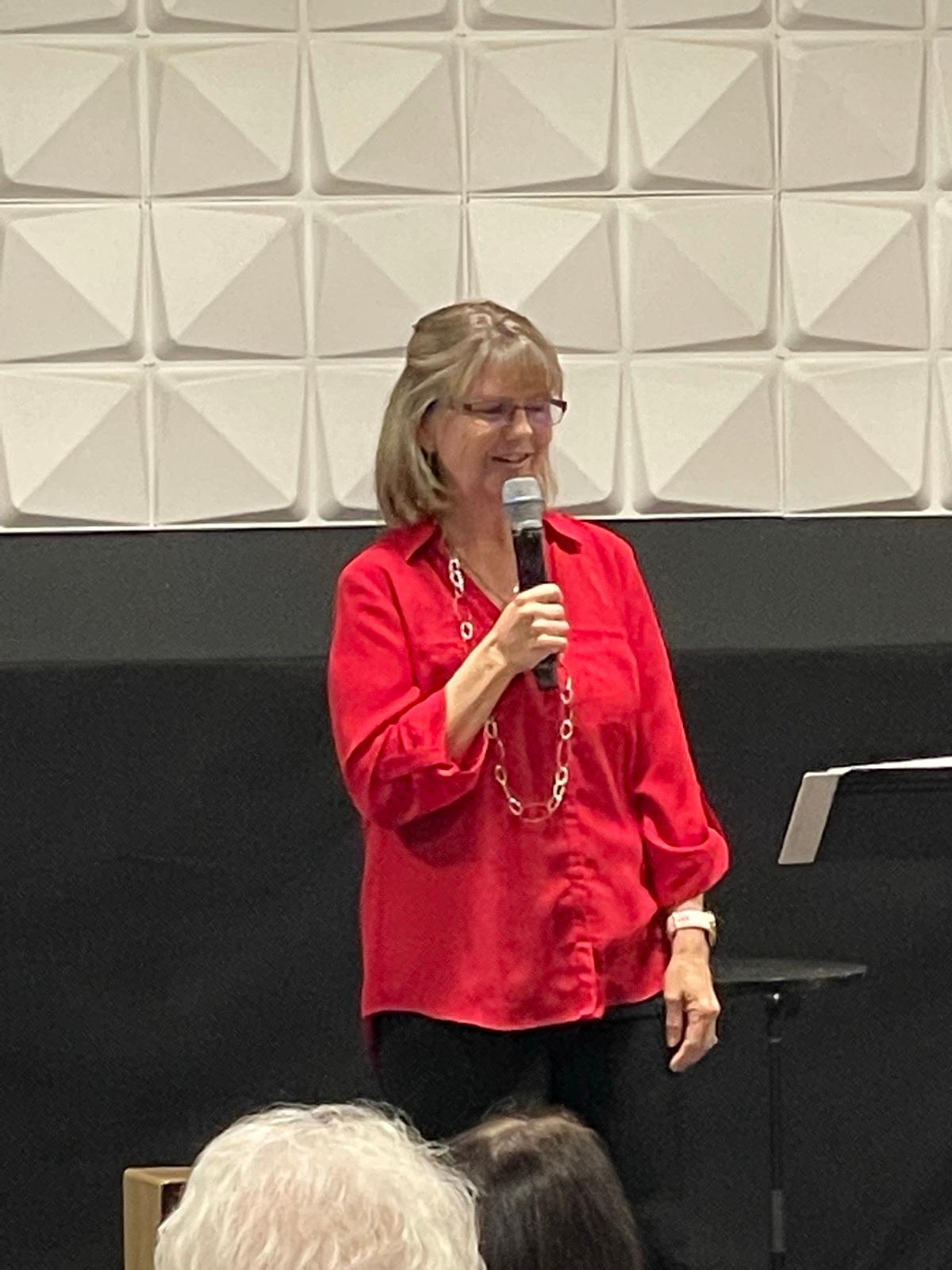
I speak to churches and organizations about foster care, obedience, and how a child’s early environment shapes the brain. Each talk runs 20 to 30 minutes, and I’m happy to shape one around your group.
I am honored this month to have the opportunity to be a guest blogger on Linda Matchett’s blog site, and am re-posting it here. I want to introduce you to Linda. She writes mostly…
Guest post by Pat Hickey
The often-repeated African proverb, “It takes a village to raise a child,” may have been truer in simpler times and societies with less complicated problems.
Guest post by Phillip Pattison
This guest post by Phillip Pattison, Executive Director of Foster the City, will bring home the poignancy of what we do.